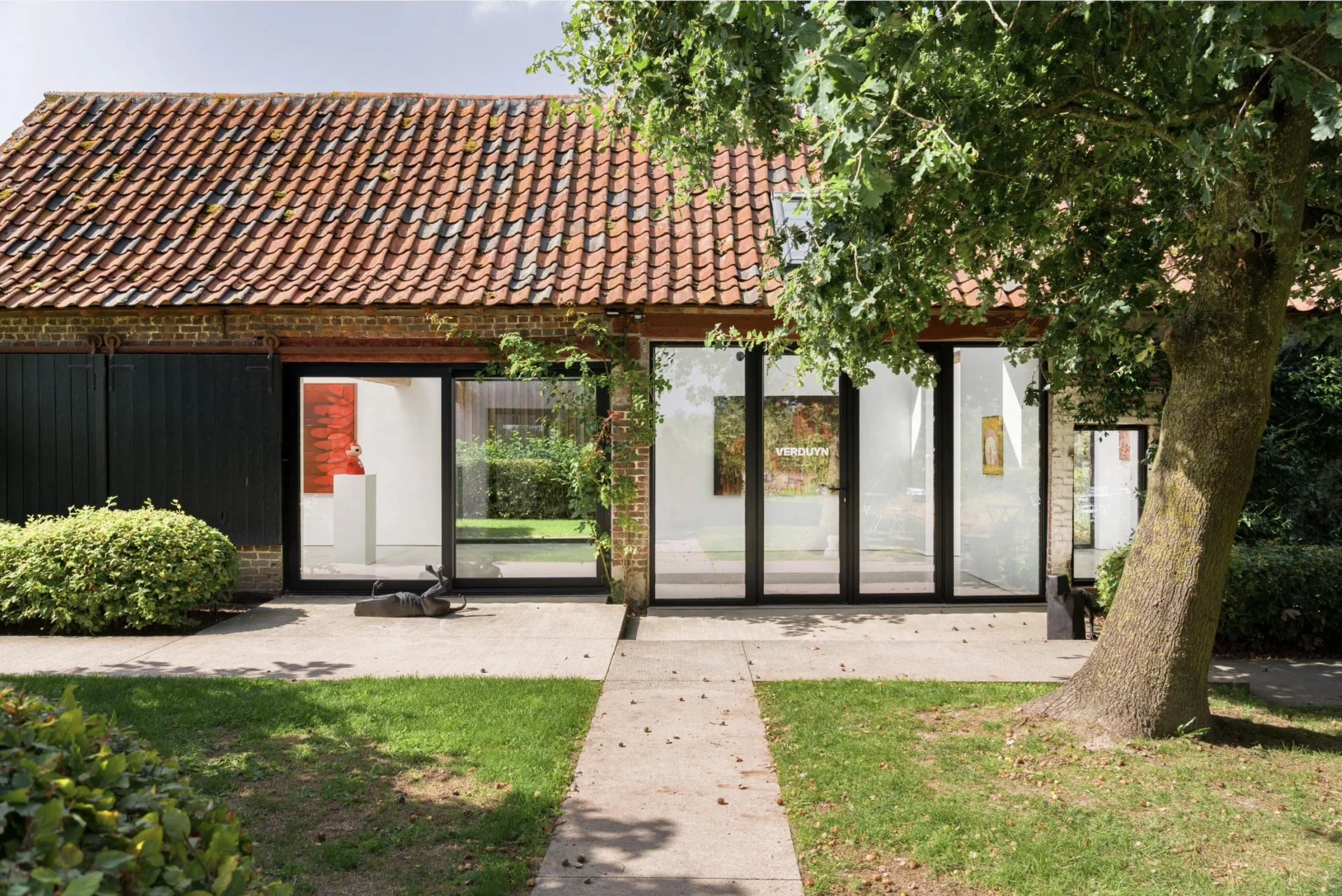
Between
Ronél de Jager, Wim Legrand, Theresa-Anne Mackintosh, Michael MacGarry, Turiya Magadlela, and Senzeni Marasela
5 September – 25 October 2026
Verduyn is proud to collaborate with kumalo | turpin for the first time. The Johannesburg-based contemporary art gallery, founded by Zanele Kumalo and M.J. Turpin, is dedicated to supporting a new generation of artists from the Global Majority, with a strong commitment to equity, experimentation and socially engaged practice, values that closely align with the ethos and vision of Verduyn.
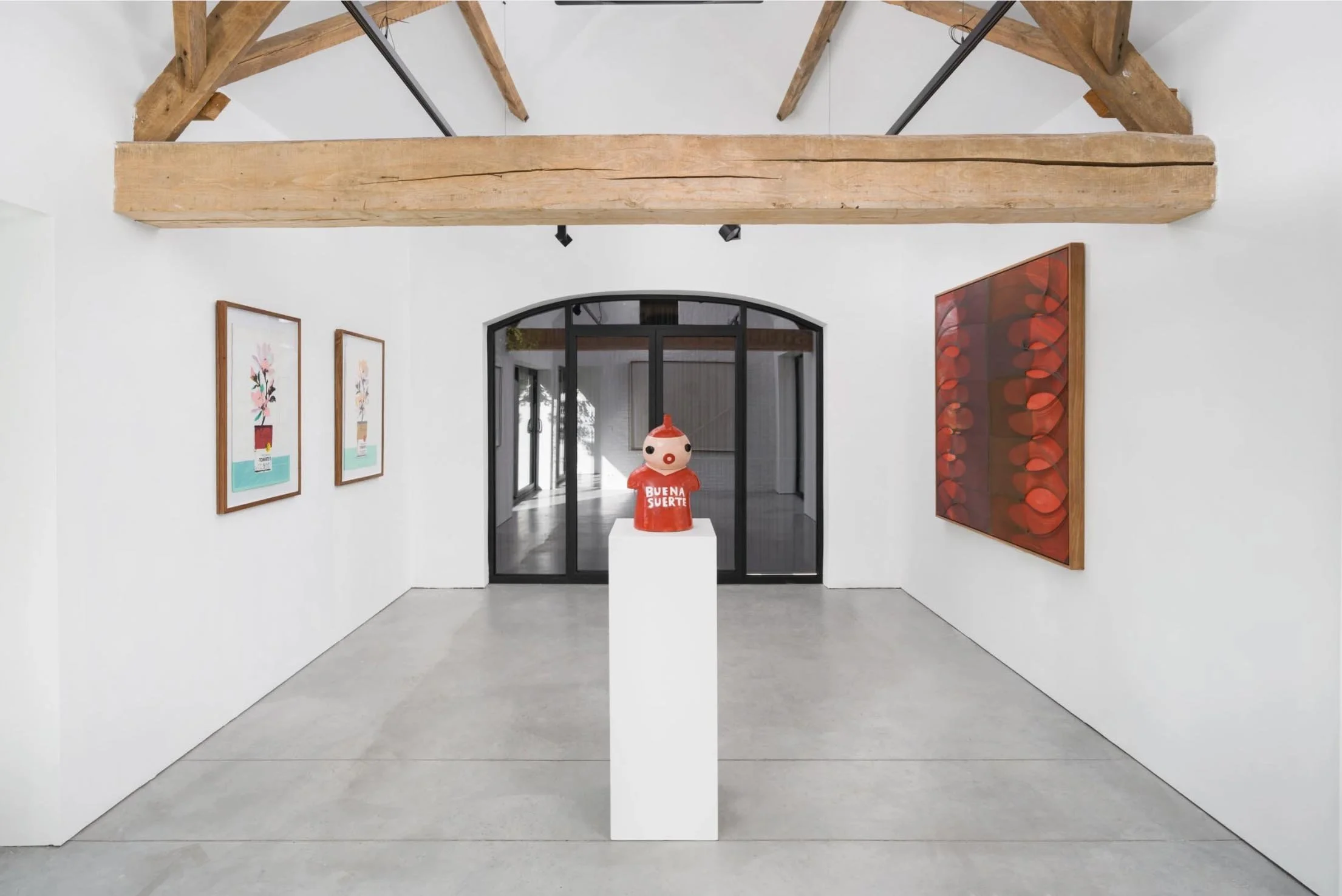
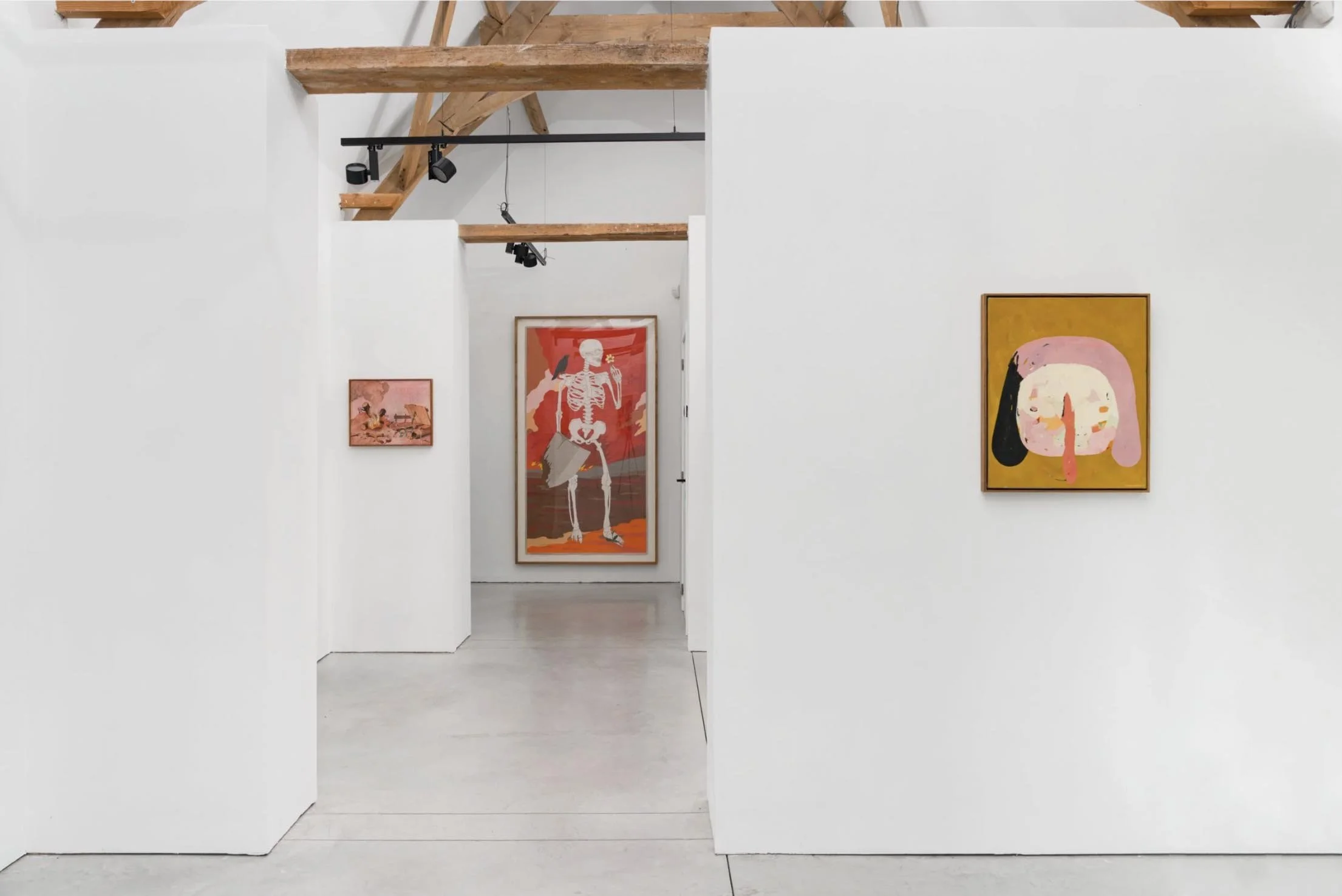
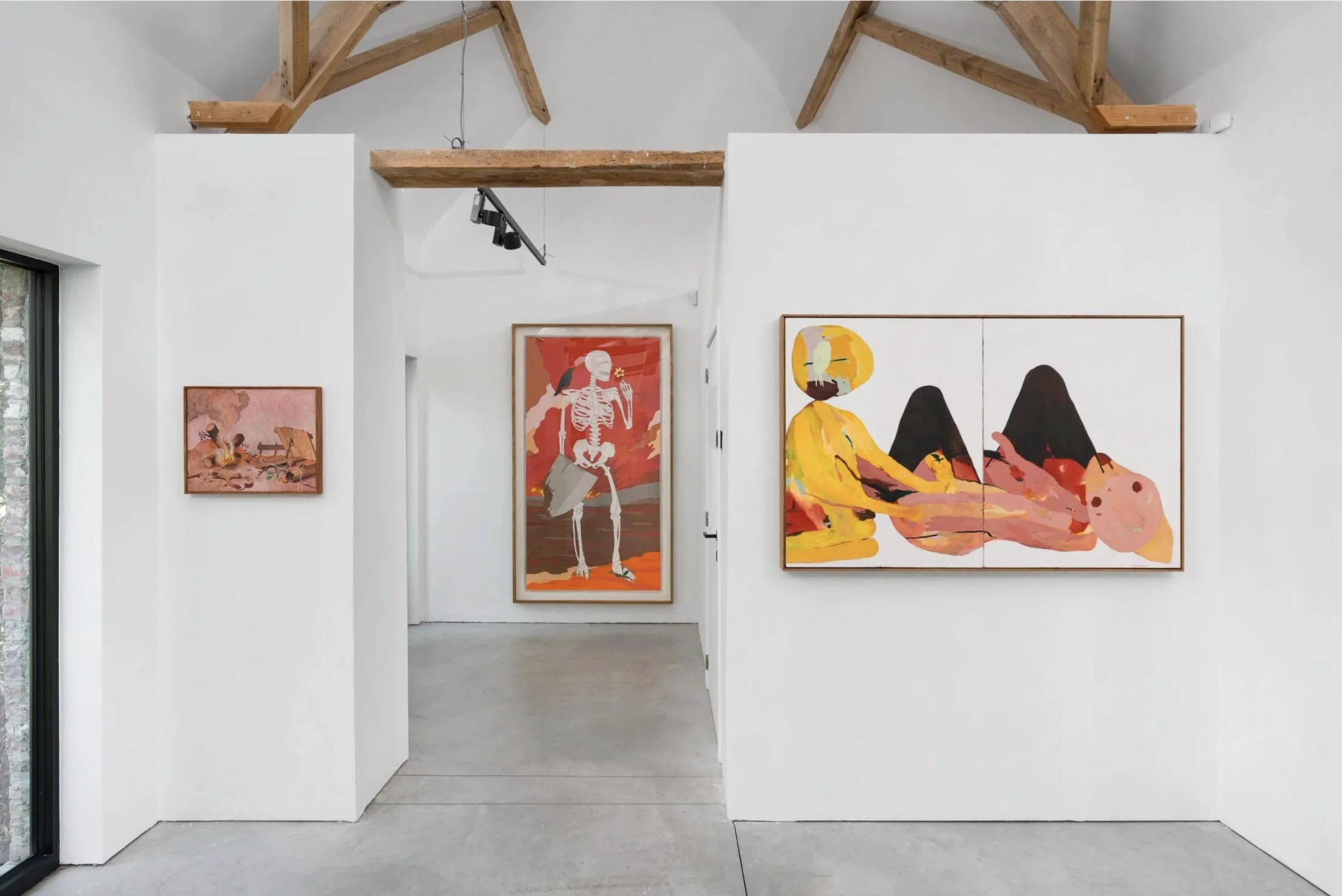
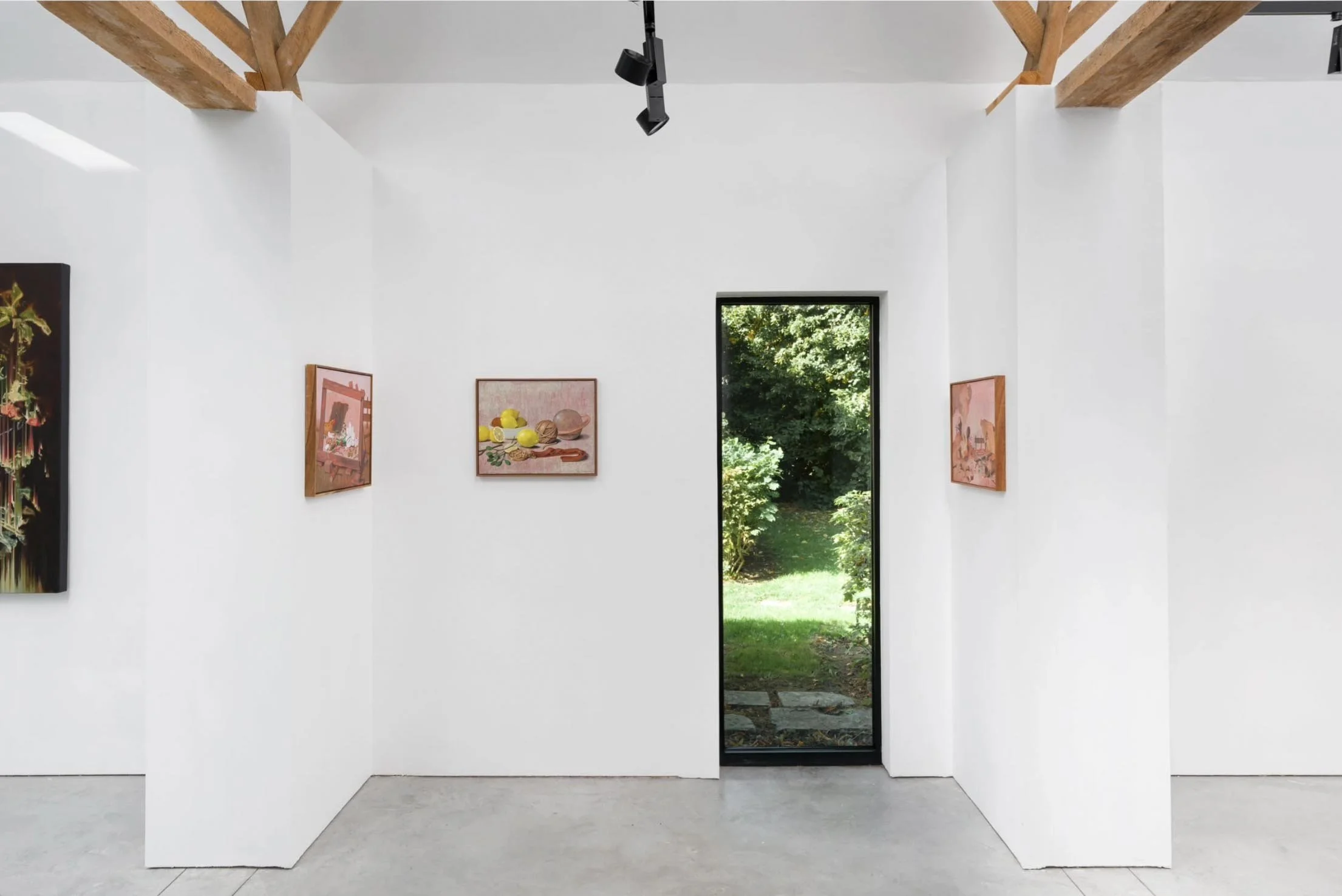
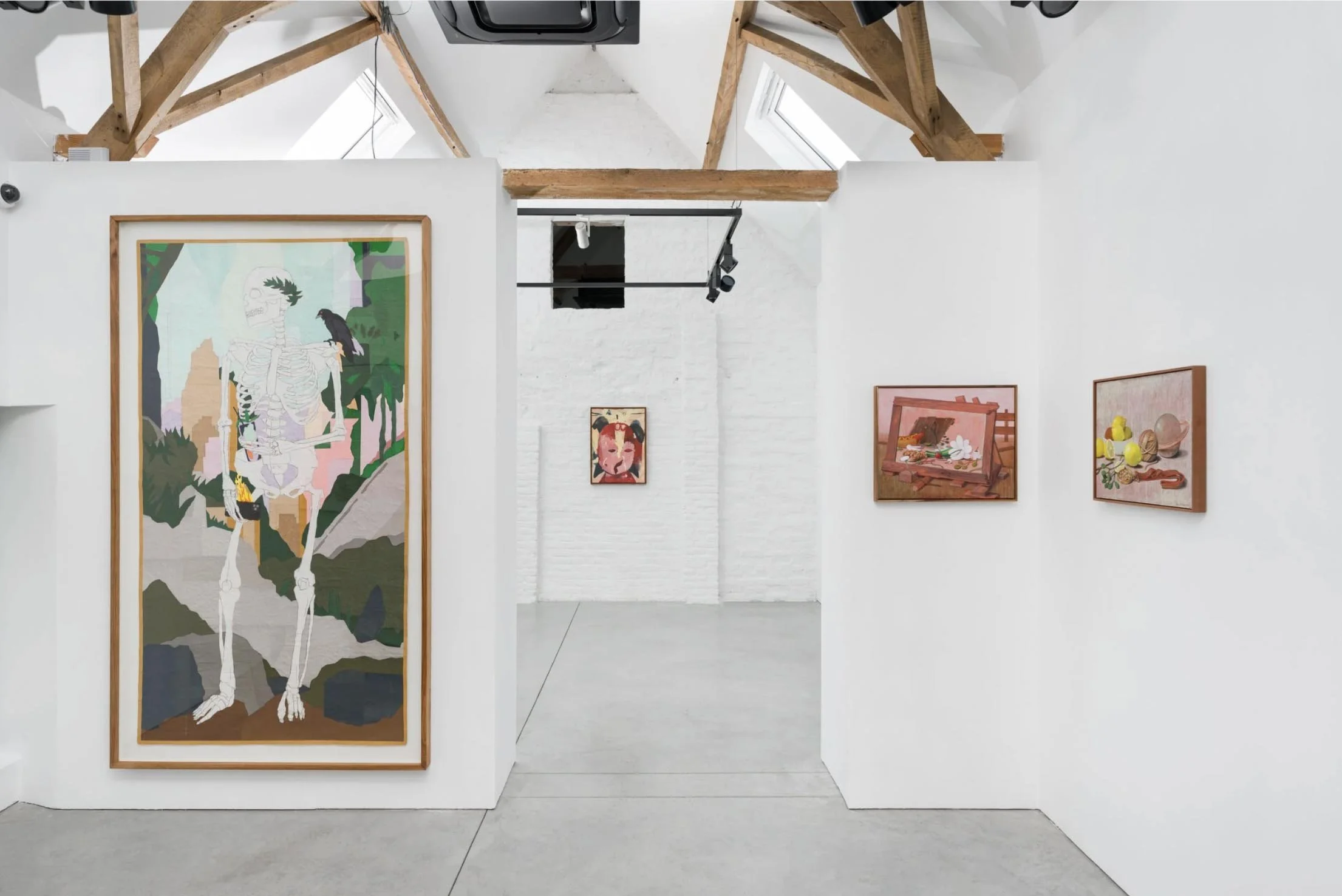
Earmarking this collaboration, Verduyn and kumalo | turpin present Between, bringing together a group of artists whose practices reflect the shared outlook of both galleries: firmly rooted in their local contexts while engaging in a broader global dialogue. Ronél de Jager (1985, South Africa), Wim Legrand (1978, Belgium), Theresa-Anne Mackintosh (1968, South Africa), Michael MacGarry (1978, South Africa), Turiya Magadlela (1978, South Africa) and Senzeni Marasela (1977, South Africa) represent a combination of internationally established voices and emerging talent, spanning a wide range of artistic practices and media.
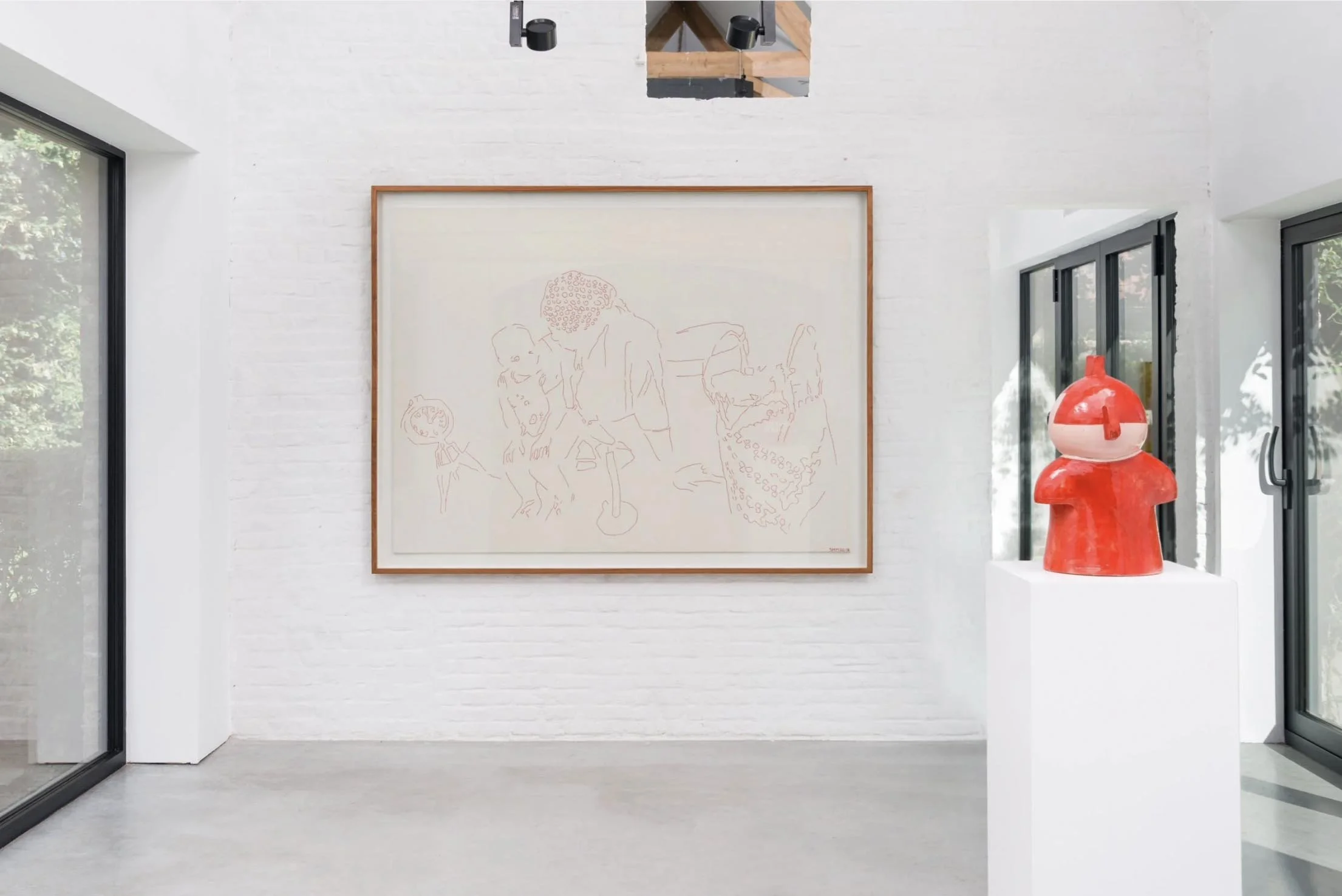
Senzeni Marasela, who participated in the 56th Venice Biennale in 2015, moves between performance, textiles and multimedia, bringing often-overlooked dimensions of everyday life into focus. She is known for her six-year performance Ijermani Lam (2013–2019), during which she wore the same red dress every day. Michael MacGarry, an artist and filmmaker, primarily explore the social-political and economic narratives of Africa through a humanist, autobiographical lens. He has been presented internationally at institutions including Tate Modern, Guggenheim Bilbao and Zeitz MOCAA.
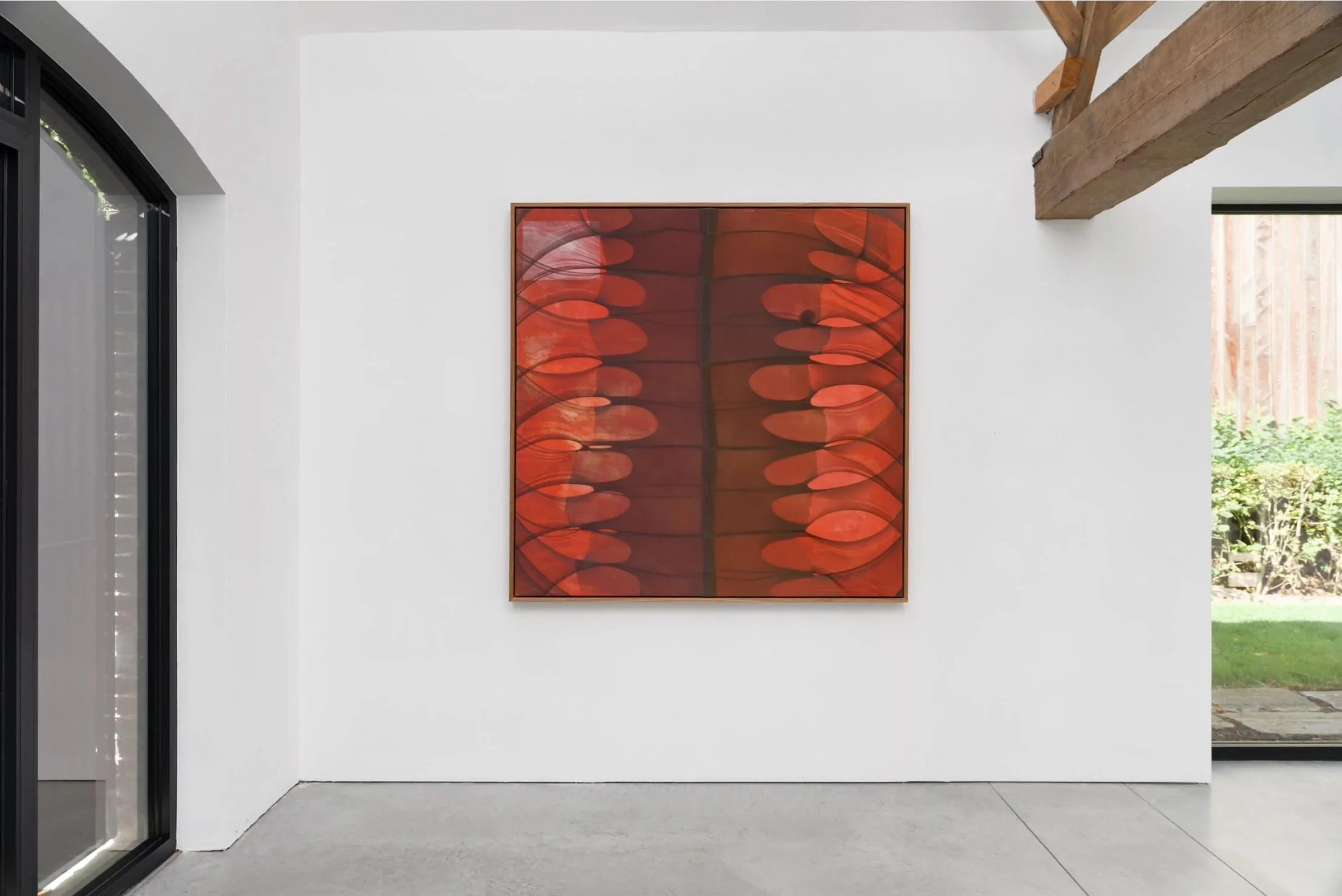
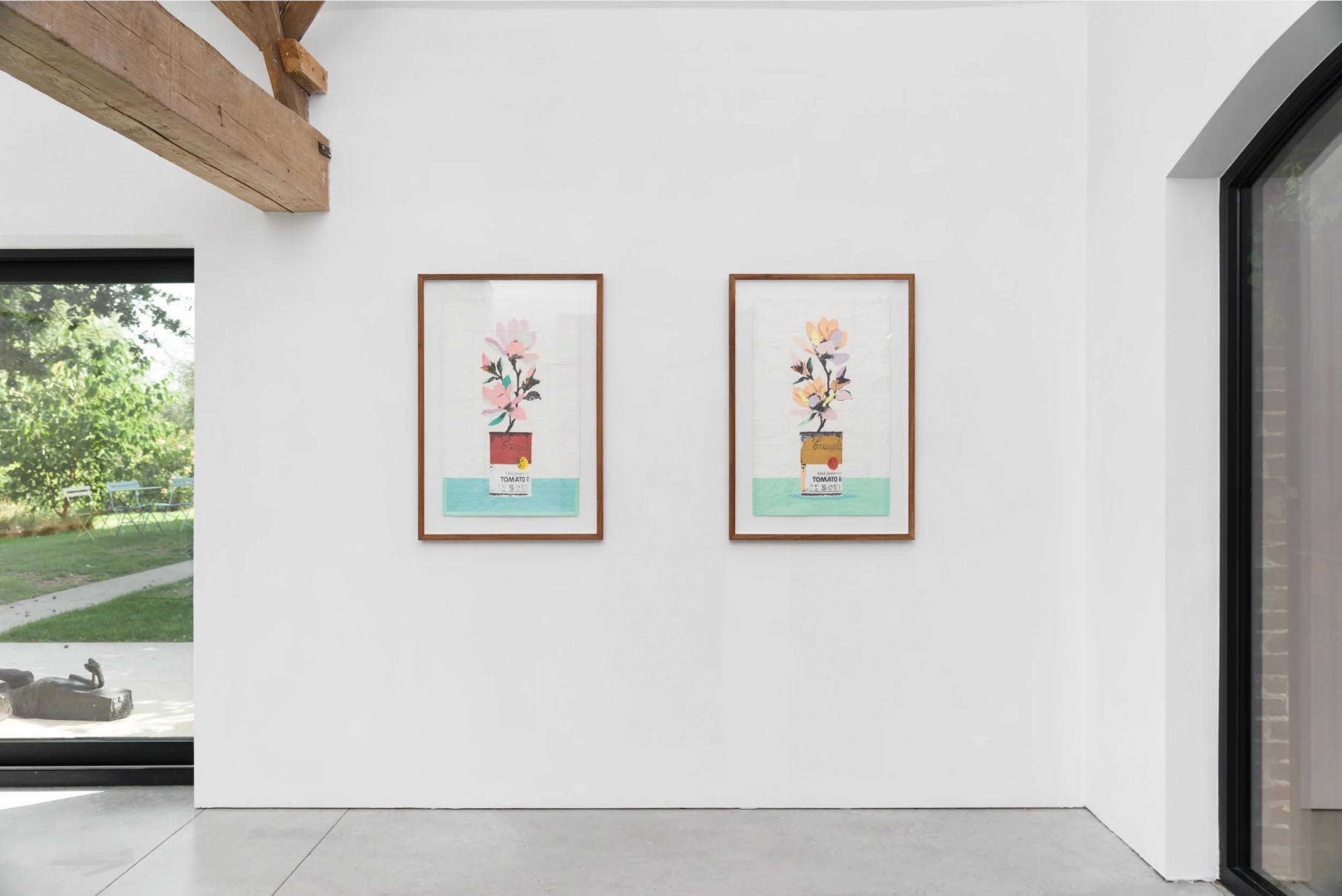
Materiality plays a central role in the practices of Turiya Magadlela and Theresa-Anne Mackintosh. Magadlela transforms conceptually charged textiles, including women’s pantyhose, into immersive installations, while Mackintosh’s practice has gradually expanded from oil painting into sculpture and ceramics, allowing her to create anthropometric figures that expose the raw and emotional core of her subjects. In Ronél de Jager’s paintings, transience is a constant presence, with decay and changing landscapes reflecting broader environmental concerns. Wim Legrand, meanwhile, takes the everyday as a point of departure. Through a surrealist visual language, he draws out the underlying strangeness embedded in ordinary reality.
Between is a recognition of multitudes. There is nothing, or no one, that can easily be encapsulated into an all-encompassing definition. Everything flows and shifts between phases, dithering between semblances of coherence. It is in this perceived in-betweeness that Verduyn brings these six practices together to create an engaging dialogue and offer a multifaceted introduction to kumalo | turpin.