Off-Script – Wim Legrand
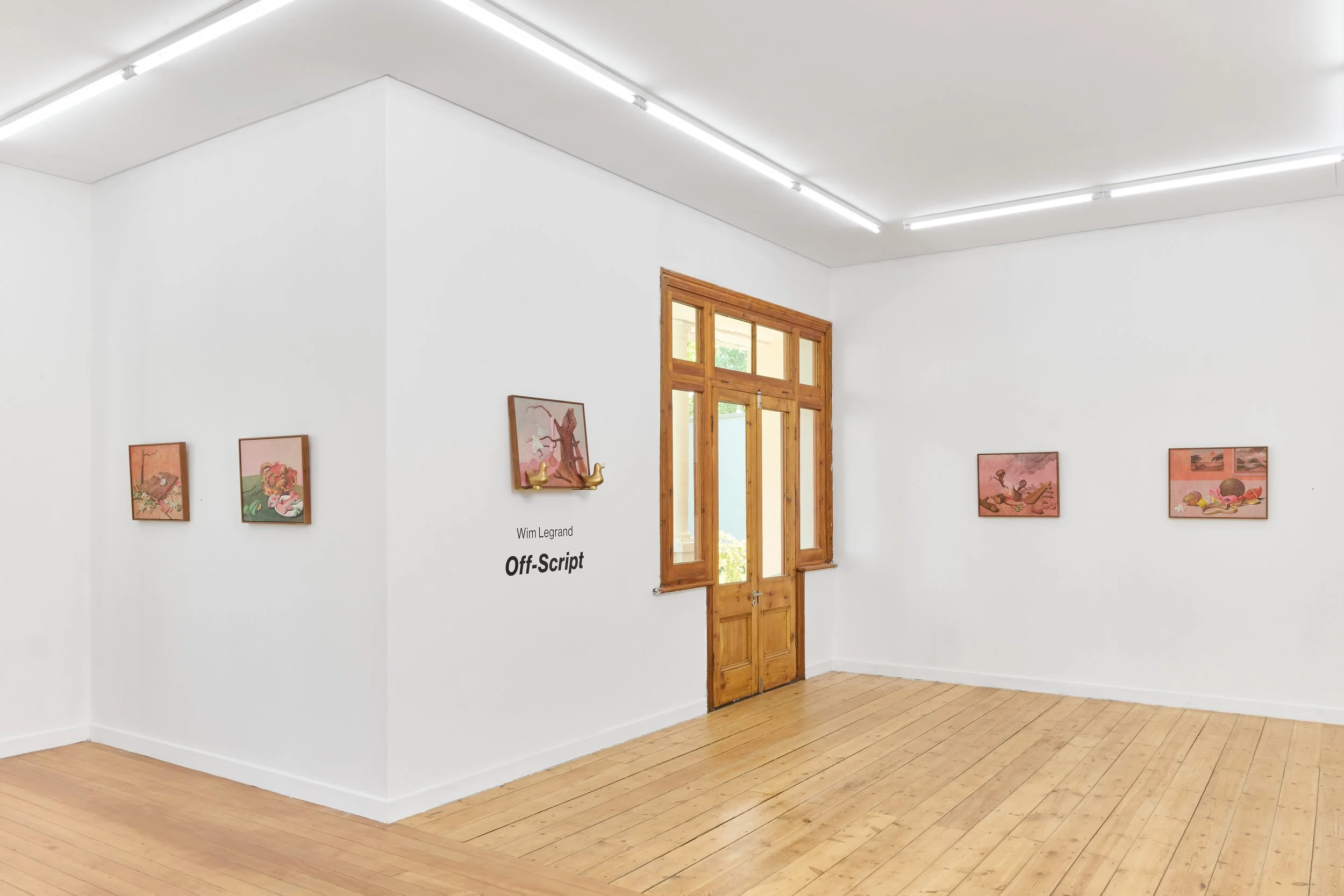
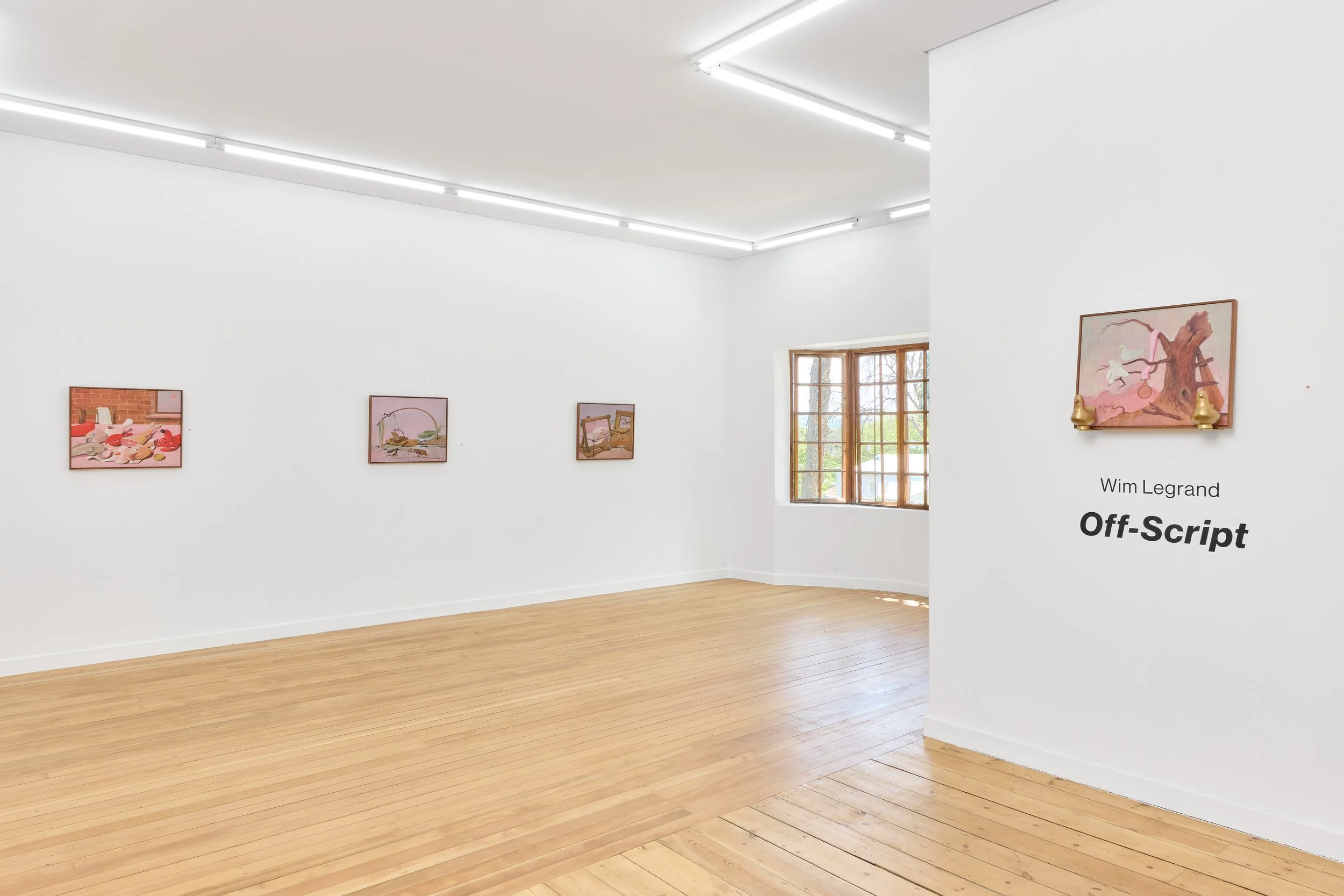
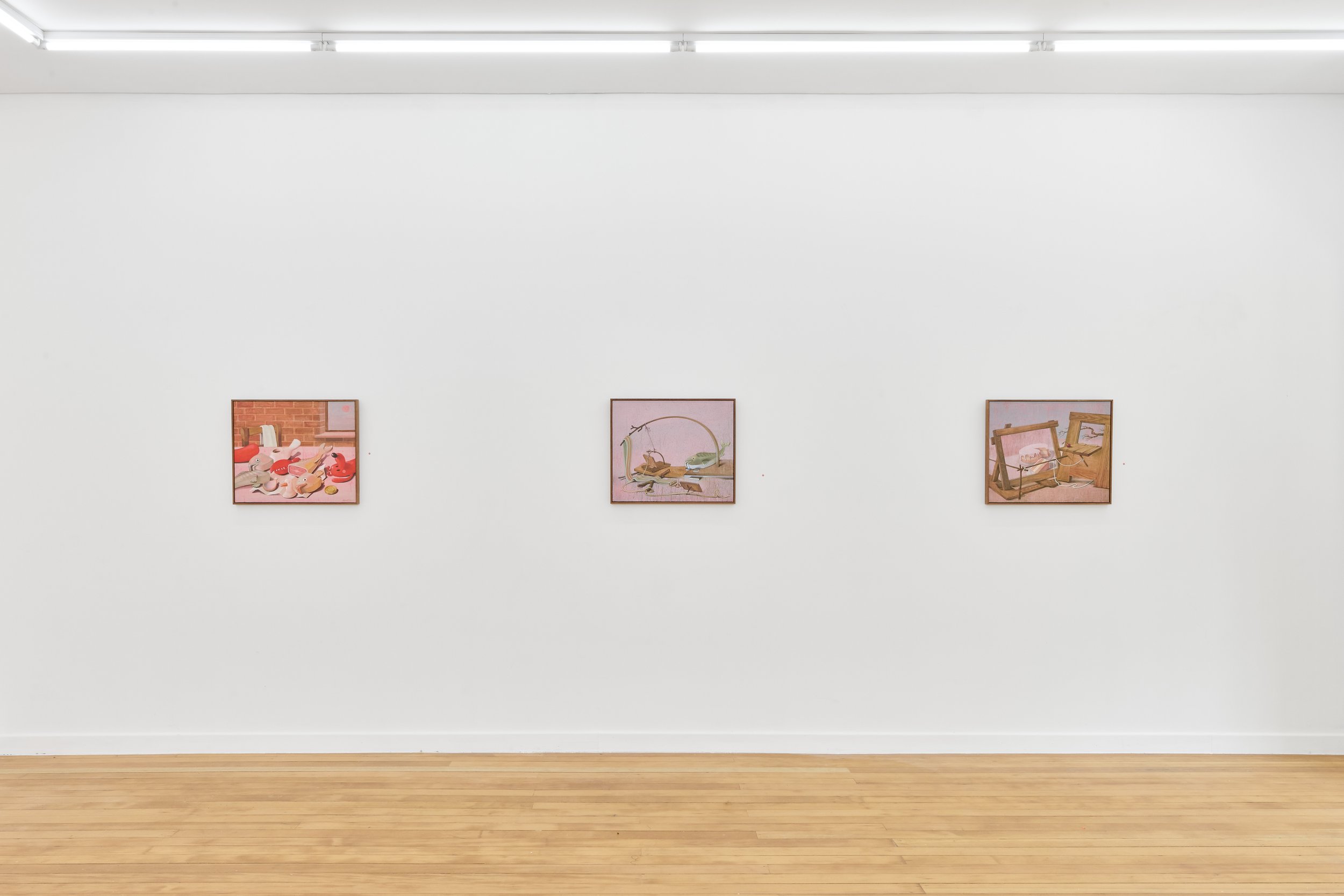
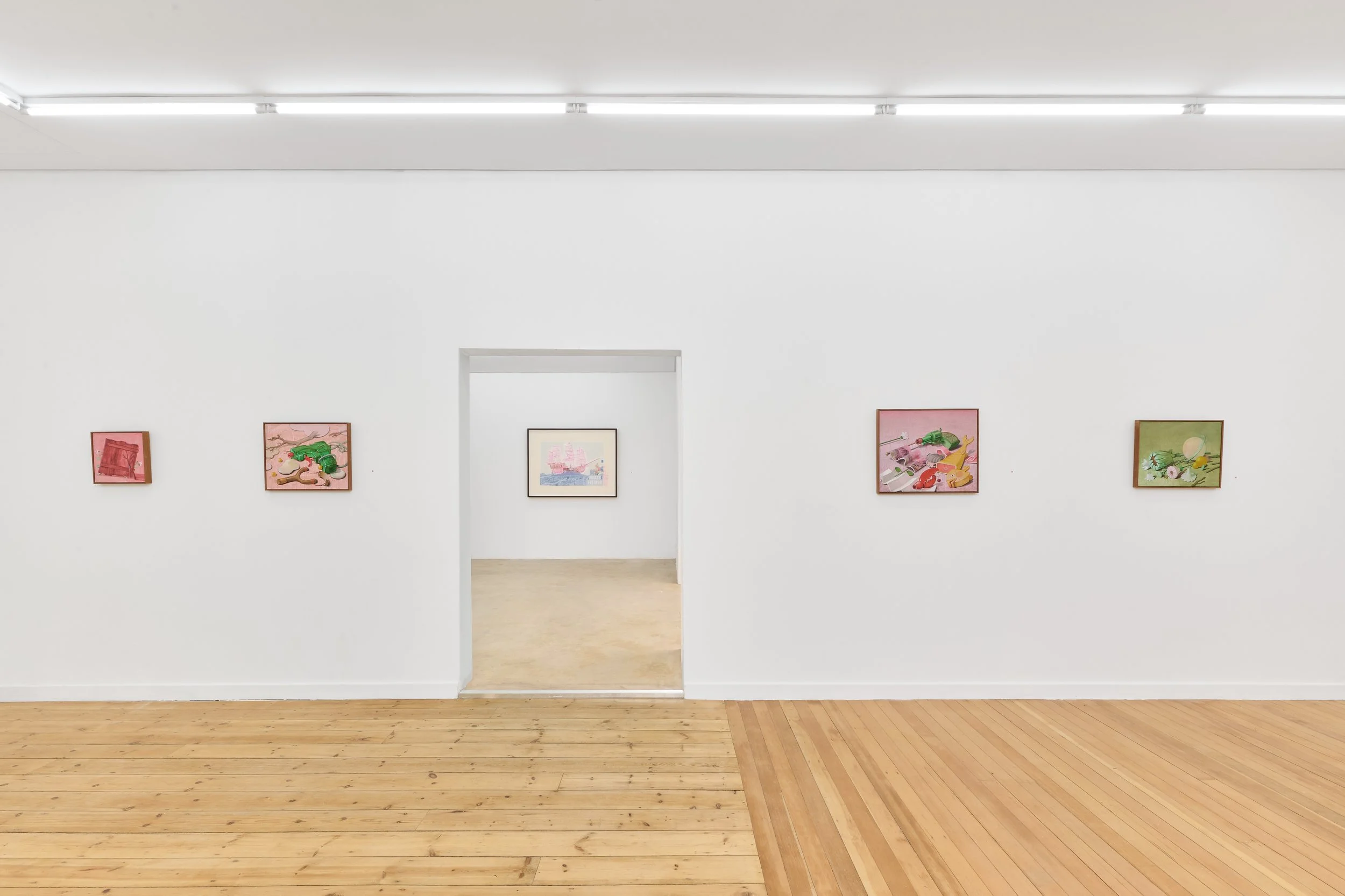
In his latest body of work, Wim Legrand presents a smorgasbord of scenes, scenarios, still lifes and landscapes that prompt the viewer to consider the vitality of the imagination, and at the same time, the various powers at play in imagining, image-making and image commodification.
Has the power of the image ever been so insidiously – and effectively – harnessed by corporate and political interests? Has the power of the individual's imagination ever been so willingly surrendered to another? Addicted and hungry for external validation, convenient certainty, easy answers and easy entertainment, we binge on imagery via endless image feeds – designed to reward barely-there presence with a laugh, a like, an irresistible helping of moral outrage, à la algorithm.
Conversely, Legrand insists, “imagination is our superpower.” And not in a cutesy, sentimental way. Children, for example, employ imagination even in dark and violent ways to act out – and think through – the worst as well as the best scenarios, taking turns to play goodies and baddies and everything in between, as they bloody their knees, accidentally set things alight, problem-solve and empathise.
In these artworks, toy weapons recall this once-upon-a-time natural, unassuming superpower, the onomatopoeic popgun particularly satisfying with its myriad, somewhat uncomfortable associations: symbol of violence ambushed by “harmless” prank, awkward punchline and awkward laughs, metaphor for weak and trivial rhetoric, visual prop for impotent pop culture.
In addition, medals are draped precariously and self-consciously throughout compositions. Specifically, these are attendance medals, a nod to the reward system built into online life, where users are validated for simply showing up, entrenching the addictive cycle of doomscrolling, liking, trolling, following, shopping and gaming. Your attention, personal data and sleep are traded for fleeting dopamine fixes: Are you playing the game or is the game playing you?
But, before we wander too far down a high road, observe Legrand’s signature whimsy, tempering any moralising with hints of absurdity, a bit of humble pie, a love of artistry and hooks for conversation. His work is enticingly spiced with ambiguous mixed signals, inside jokes and self-deprecating humour, decapitated symbology, technical delights that go off on a tangent, narrative cues that veer off script.
Planets and cosmic objects sit awkwardly among fruit and floral disarrangements; lemons with impossibly long peels enjoy the generous treatment of a meticulous painter, perhaps included simply for the love of artistic effort alone. Across his paintings, Legrand plays with light, revelling in the tradition and technicality of clair-obscure, playing with the ambiguities of twilight narratives and the varied enchantments of blue light and moonlight.
Ultimately, while satirical and somewhat critical, Legrand’s artworks are not intended as counterpropaganda for his own brand of ideas. Rather, these pieces are drawn from everyday observations and a lifetime of remembered visuals, restaged in new, open-ended narratives that urge the viewer to engage with the imagination – with creative thinking, play and conversation over mere consumption.